

your online presence is shaped by how lawyer headshots influence clients before a conversation even begins. It’s on your firm’s website, your LinkedIn profile, legal directories, conference programs — and for a lot of clients, it’s the first real impression they get of you. That’s a lot of weight to put on one photograph.
The good news is that a strong headshot isn’t complicated. Understanding what is professional headshot photography makes the process much easier. It’s a matter of getting several things right at once — outfit, lighting, pose, expression — and not letting any single element undermine the rest.
This guide covers what female attorneys actually need to know to show up prepared and come away with a photo that holds up.
Why Your Headshot Matters More Than You Think
A poor photo doesn’t just look unprofessional — it creates a gap between how you present yourself in person and how you appear online. Clients and colleagues form impressions quickly, and an outdated or low-quality headshot quietly signals inattention.
LinkedIn profiles with professional photos receive significantly more views than those without. Law firm websites use headshots to put a face to credentials. Legal directories, conference materials, and bar association listings all pull from the same photo — often for years.
Which is why many attorneys eventually research how much professional headshots cost before updating older images
What Goes Into a Strong Attorney Headshot

No single element carries the whole image. Outfit, lighting, background, posing, and expression all work together. Getting four out of five right and missing one — say, flat lighting or a distracting background — is enough to weaken the result.
Here’s what to think through before your session:
There’s no single tactic that wins. The firms that grow consistently are the ones running multiple channels that support each other.
Attire
Structured blazers, tailored suits, and clean-lined dresses in neutral or deep tones photograph well and read as professional without looking stiff.
Makeup
Camera-ready, not heavy. Studio lighting tends to flatten contrast, so a bit more definition than your everyday look usually translates as natural on camera.
Background
Neutral backdrops or a clean office setting. The background should support the image, not compete with it.
Lighting
Soft, directional lighting eliminates harsh shadows. It’s what separates a professional result from a snapshot.
Pose and expression
Natural, confident, and not stiff. More on this below.
How to Prepare Before the Session
A lot of what determines a great headshot happens before you walk in front of the camera.
Know what the photo is for
A headshot for a family law boutique has a different feel than one for a large corporate litigation practice. If you know where the image will be used, you can match your presentation to that context.
Bring wardrobe options
Don’t commit to one outfit before you’ve seen it under studio lighting. Different necklines and colors behave differently on camera. Two or three options give you flexibility.
Schedule hair and makeup in advance
If you’re using a professional for either, book well before the session.
Get a good night’s sleep
Tired eyes are harder to correct in post. It’s a simple thing, but it shows.
What to Wear
The right outfit is one you stop thinking about the moment the session starts. It should communicate professionalism without pulling attention away from your face.
What Works
- A well-fitted blazer in navy, charcoal, black, or deep burgundy
- A matching jacket and trouser or skirt suit for a more formal look
- A sleeveless sheath dress under a blazer — especially in warmer climates
- A silk or matte-finish blouse in ivory or a soft solid, paired with a dark blazer
What Works
- White and neon tones, which wash out under studio lighting
- Busy patterns and bold prints, which distort under camera lenses
- Strapless tops, heavy statement jewelry, or anything that dates easily
The goal is to look current and appropriate — not fashionable.
Makeup for Camera
You need a bit more than your everyday look. Studio lighting flattens color and softens contrast, so minimal makeup can look flat in photos. What feels like a full face in the mirror often reads as natural and polished on camera.
Focus on even skin tone, defined eyes, and a lip color that has some substance to it. Avoid shimmer, glitter, or anything highly reflective — under studio lights, these create bright spots that are hard to fix in editing.
If you’re not used to wearing makeup on camera, a professional makeup artist familiar with portrait photography is worth the investment, if the schedule allows. I have makeup artists I have worked with for years. We can do light touch-ups (about 15 minutes per person) or full makeup (about 60 minutes per person).
Hair
Clean, polished, and out of the way. Sleek blowouts, low chignons, smooth updos, and structured waves all work well. They look intentional and don’t require mid-session touch-ups.
Heavily textured styles, very voluminous blowouts, or anything with visible product can read as overdone in photographs. Simpler is almost always better.
Posing
Good posing isn’t about looking a certain way — it’s about avoiding the things that make you look stiff.
A slight angle of the shoulders, a subtle forward lean, and relaxed posture all create a sense of presence without making the image look staged. A chin slightly forward and down defines the jawline. Direct, level eye contact with the lens reads as confident.
What to avoid: locked knees, crossed arms that look forced, and the shoulders-up tension that comes from being uncomfortable in front of a camera. A good photographer will coach you through this, but knowing it going in helps.
On expression
A soft, natural smile works for most practice areas. It reads as approachable without sacrificing professionalism. If you’re in a practice area where gravitas matters more — litigation, for example — a composed, neutral expression can work just as well.
I always direct every client into feeling confident and themselves. You want to look comfortable and confident … that’s my specialty.
Corporate vs. Litigation Attorney Headshots

The distinction is subtle but real.
| Attorney Type | Expression | Wardrobe & Background | Overall Impression |
|---|---|---|---|
| Corporate Attorneys | Warmer, approachable, composed, and confident. | Lighter or neutral tones for wardrobe and backgrounds. | Professional, polished, and trustworthy without feeling severe. |
| Litigators | Stronger, more serious, and focused. | Darker wardrobe choices such as charcoal, deep navy, or black, with more upright posture. | Prepared, authoritative, and focused rather than warm or conversational. |
Neither approach is better. It depends on your practice and the impression you want to make.
Why Consistency Matters for Firm-Wide Headshots
If you’re managing headshots for a team, consistency matters as much as individual quality. Mismatched backgrounds, different lighting setups, and varying photo styles across attorney profiles create a fragmented look that undermines the firm’s overall presentation.
I’ve worked with firms where headshots span five or six different photographers and a decade of style changes. The result is a website that looks like the attorneys don’t work in the same place. Coordinating a single session — same background, same lighting, same framing — fixes this faster than most firms expect.
It’s never as complicated as it seems. The hardest part is just getting everyone in the office on the same day or within a set of days. The results within the team are amazing. Getting your team excited about a website and their photo that they are excited to share.
If your firm is due for an update, our law firm photography services include team sessions designed to keep everything visually consistent from the first attorney to the last.
Conference Headshots: Showing Up Ready
Conference headshot sessions are fast. You usually have two or three minutes — not a full session. That means your outfit, grooming, and posture need to be decided before you arrive, not figured out at the booth.
Wear your planned outfit. Fix hair and makeup before you get there. Know the one or two expressions that work for you. Stand tall, take a breath before the shutter fires, and let the photographer do the rest.
I’ve had two minutes with subjects many many times. It’s all about that deep breath and forming a connection instantly. I find a subtle joke takes the pressure off of us both and allows a natural warmness to enter the picture. It’s all in the eyes!
Choosing the Right Photographer
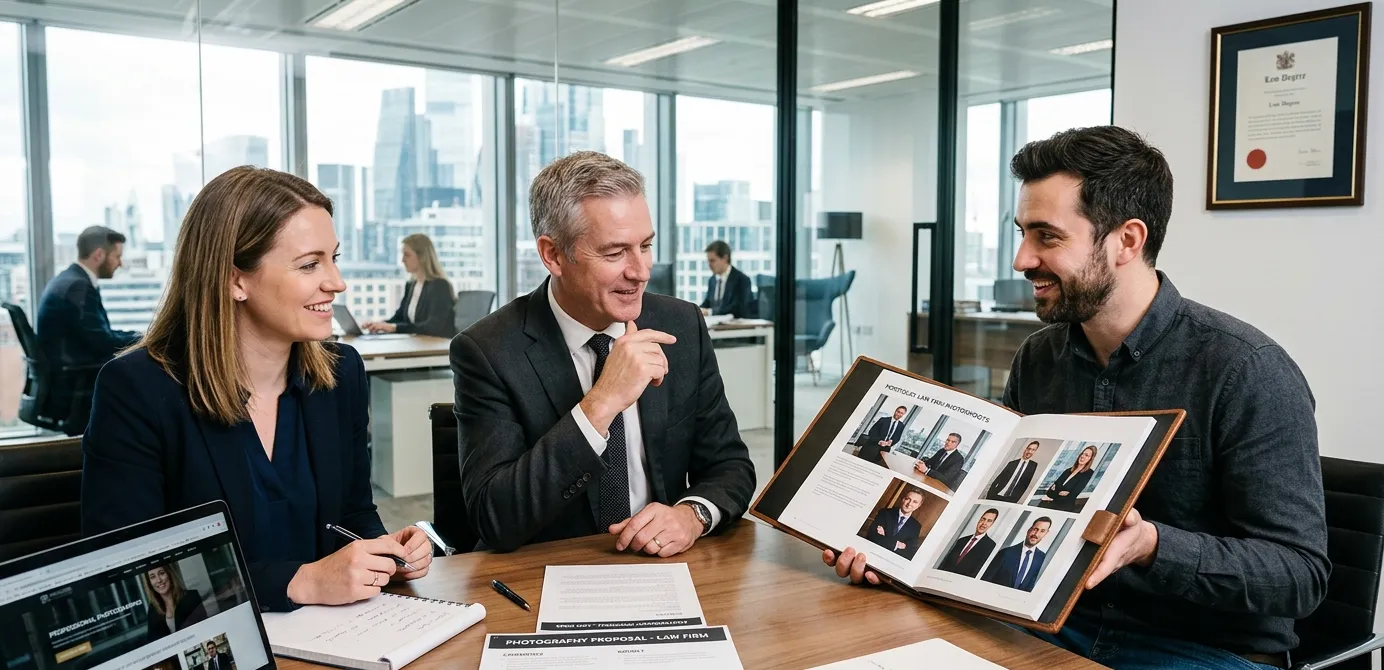
Not every photographer understands the professional standards expected in the legal industry. Before booking, look at their portfolio specifically for attorney work. The lighting, posing, and overall tone of legal headshots is different from wedding or event photography — and it shows when a photographer isn’t familiar with that environment.
Law Firm Photos works exclusively with law firms and legal professionals throughout Los Angeles, Orange County, and San Diego. Our law firm photography services and attorney headshot sessions are designed around firm schedules . We come to you, work efficiently, and minimize disruption to billable time.
How Often Should Female Lawyers Update Their Headshots?
Every two to three years, or sooner if your appearance has changed significantly. An outdated photo creates a disconnect when clients meet you in person — and that gap is harder to recover from than people expect.
Final Thought
A strong headshot is a practical professional asset and one of the most effective law firm marketing strategies for building trust online. It shapes how you’re perceived before anyone has spoken with you. Prepare thoughtfully, choose a photographer who understands the legal environment, and bring the same attention to this that you’d bring to anything else that represents your practice.
If you’re ready to schedule a session, get in touch with Law Firm Photos and we’ll work around your calendar.
How often should female lawyers update their headshots?
Every two to three years, or sooner if your appearance has changed significantly. An outdated photo creates a noticeable disconnect when clients meet you in person.
Should a female lawyer smile in her headshot?
A soft, natural smile works well for most practice areas and communicates approachability. Litigators may prefer a composed, neutral expression to project authority. Either can work — the key is that it looks natural, not forced.
What should female lawyers wear for a professional headshot?
A well-fitted blazer, tailored suit, or clean-lined dress in neutral or deep tones — navy, charcoal, black, or burgundy — tends to photograph cleanly and read as professional. Avoid white, busy patterns, or anything overly trendy.
Do female lawyers need a professional photographer for headshots?
Yes. Lighting, posing direction, and post-editing all require professional expertise. Smartphone photos and amateur shots rarely meet the visual standards expected in the legal industry.